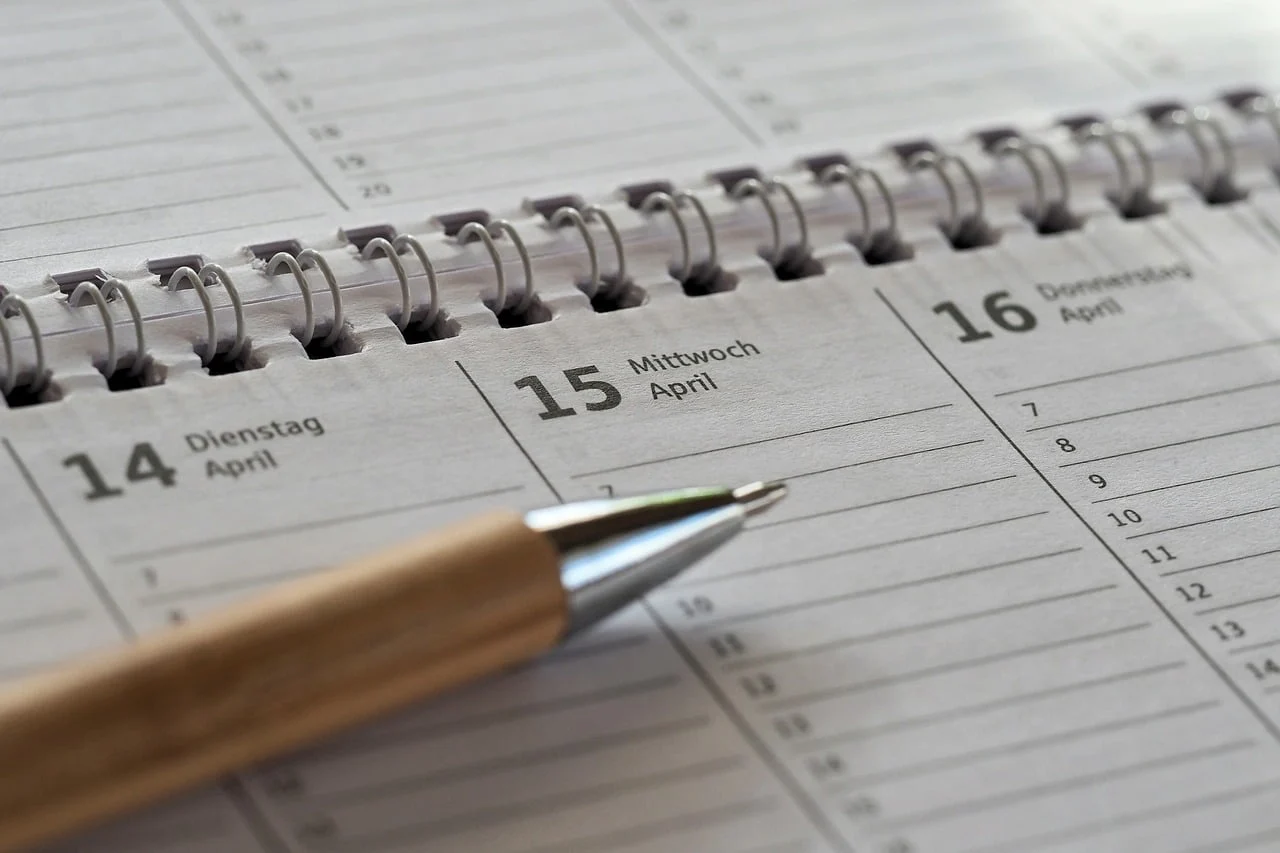
Short answer: Plan your day in 10 minutes by following five steps: review yesterday’s wins, identify today’s top three priorities, break them into actions, schedule time blocks on your calendar, and set one key intention for the day. That’s it.
Key takeaways
- List your top three tasks before anything else.
- Use time blocking to protect your priorities.
- Review yesterday’s progress in under two minutes.
- Break big goals into small, doable steps.
- Set a daily intention to stay motivated.
- Keep your planning system simple and repeatable.
What you will find here
You know you should plan your day. But who has time for a long planning ritual when you’re already behind? Good news: you can plan your day in 10 minutes or less and still get more done.
The trick is not to plan every minute. It’s to identify your biggest priorities and schedule them first. Here’s a five-step system that works for anyone, even on chaotic mornings.
Why 10 Minutes Is Enough
Most people overplan. They write long to-do lists, then feel overwhelmed and ignore them. A quick planning session forces you to make decisions fast. You focus only on what matters today.
By limiting yourself to 10 minutes, you avoid analysis paralysis. Your brain knows it must choose quickly. This naturally helps you prioritize and commit to your plans.
Think of it like packing a suitcase. If you have all day, you’ll pack everything including things you never use. But if you only have 10 minutes, you grab only the essentials. Your day works the same way. Short planning time filters out noise automatically.

The 5-Step 10-Minute Planning System
Step 1: Review Yesterday (2 minutes)
Open your planner or note from yesterday. Ask two questions: What went well? What didn’t get done? If something didn’t get finished, ask if it’s still important today. If not, drop it without guilt.
This review takes only two minutes but prevents you from repeating mistakes. You learn what tasks drain energy and what tasks create momentum.
Step 2: Pick Your Top Three Priorities (2 minutes)
Look at your calendar, deadlines, and ongoing projects. Choose three tasks that, if completed, would make today a success. Write them down. Do not list more than three.
Why three? Because research shows we overestimate what we can do in a day. Three realistic priorities keep you focused and reduce stress. These are your non-negotiables.
If you struggle to choose, ask yourself: What’s the one thing I absolutely must do today to avoid trouble tomorrow? That’s your first priority. Then pick two more that move important projects forward. Don’t pick three huge tasks. Mix one big, one medium, and one small task so you feel progress.
Step 3: Break Each Priority Into Small Actions (2 minutes)
A priority like “prepare presentation” is vague. Break it down: “open slide deck,” “write title slide,” “add three bullet points for intro.” Each action should take no more than 20 minutes.
Small steps make big tasks feel doable. You can start immediately without resistance. This is the secret to beating procrastination.
Common mistake: Breaking tasks too small. Don’t list “turn on computer” or “find file.” Those are too trivial. Aim for actions that feel like a natural chunk of work. For example, “write outline” is better than “open document.” Test each action by asking: Can I do this in one focused sitting? If yes, it’s right.
Step 4: Time-Block Your Priorities on Your Calendar (2 minutes)
Open your digital calendar or paper planner. Create a time block for each priority. Be realistic about how long each will take. For example: 9-10am for project reports, 11-11:30am for client emails.
Time blocking ensures your priorities actually get done. If something isn’t scheduled, it likely won’t happen. Protect these blocks like meetings with your boss.
Tip: Schedule your hardest task during your peak energy hours. For most people that’s morning. Put easy tasks in the afternoon slump. Also leave empty blocks for unexpected work. If you fill every hour, one interruption breaks your whole plan.
Step 5: Set One Key Intention (2 minutes)
Finally, choose one word or phrase that captures how you want to feel today. Examples: “focused,” “calm,” “progress not perfection,” or “patient.” Write it at the top of your plan.
This intention anchors your mindset. When distractions come, your intention reminds you what matters. It adds meaning to your tasks and keeps burnout away.
What If You Only Have 5 Minutes?
Sometimes mornings are crazy. Cut the system to just steps 2 and 5: pick three priorities and set an intention. That takes two minutes.
Then, as you work, steal time to add steps 3 and 4 later. The key is to do something rather than nothing. Even a two-minute plan beats no plan.
If you’re really pressed, do just step 2. Write your three priorities on a sticky note. Put it on your monitor. That’s enough to guide your day. You can refine later during a coffee break.

Common Mistakes That Wreck Quick Planning
Even with a good system, people slip up. Here are the biggest traps and how to avoid them.
Listing Too Many Tasks
If you write down ten tasks, you’re planning to fail. Your brain will scan the list and feel overwhelmed. Stick to three priorities. The rest can wait or be delegated.
Skipping Time Blocks
Planning without scheduling is just wishful thinking. Tasks expand to fill available time. A time block gives each priority a start and end time, so you actually finish.
Being Too Ambitious About Time
If a task usually takes 45 minutes, don’t schedule 30. Be honest. Leave buffer time between blocks for breaks and surprises. Otherwise you’ll feel behind all day.
Trade-off: If you schedule too much buffer, you might waste time. Find a balance. A good rule is to plan 60% of your day and leave 40% flexible. That way you have room for emergencies without feeling idle.
Not Reviewing Before You Plan
Skipping the review step means you might carry over stale tasks from yesterday. Reviewing clears the deck and lets you start fresh. It takes two minutes but saves hours.
Tools to Help You Plan Fast
You don’t need fancy apps. A simple notebook and pen work. But if you want digital options, try a daily planner template in your note app. Or use a paper planner with pre-printed sections for the three priorities.
What matters is consistency. Use the same tool every day until it becomes automatic.
How to Adjust Your Plan Mid-Day
Even the best plan can fall apart. A meeting runs long. An emergency pops up. Your child gets sick. When that happens, don’t abandon planning entirely. Take 2 minutes to reset.
Ask yourself: What’s the most important thing I can still do today? Adjust your time blocks. Move unfinished priorities to tomorrow. This keeps you in control instead of feeling like a victim of circumstances.
Common mistake: Trying to stick to the original plan no matter what. That leads to frustration and burnout. Planning is a tool, not a prison. Adapt freely. The goal is progress, not perfection.

How to Make This a Habit
One-time planning won’t transform your productivity. You need to do it daily. Start with a trigger: right after your morning coffee or after you brush your teeth. Tie the new habit to something you already do.
Make it easy. Keep your planner or note app open on your desk overnight. Remove all friction. The first week, set a timer for 10 minutes so you don’t overdo it.
If you miss a day, just restart tomorrow. Don’t try to catch up. The system is designed to work even when you’re inconsistent.
Comparison: 10-Minute Planning vs. No Planning
| 10-Minute Planning | No Planning | |
|---|---|---|
| Clarity | You know exactly what to work on | You react to whoever shouts loudest |
| Focus | Three clear priorities | Scattered attention |
| Stress | Lower because you have a plan | Higher due to uncertainty |
| Progress | Steady, daily wins | Random bursts then nothing |
Start Tomorrow Morning
You don’t need to wait for Monday. Tomorrow morning, spend 10 minutes using this system. Write down three priorities, time block them, and set an intention. See how it changes your day.
Keep it simple. Plan your day in 10 minutes, then go make it happen.
Frequently asked questions
Can I plan my day in less than 10 minutes?
Yes. If you’re extremely short on time, focus only on selecting your top three priorities and setting an intention. That takes less than two minutes. You can add time blocks later when you have a moment.
What if I have more than three important tasks?
Pick the three that will have the biggest impact. The rest go on a separate “later” list. If you finish your top three early, pick one from the later list. Never start your day with more than three priorities.
Should I plan the night before or morning?
Either works, but morning planning lets you adjust based on how you feel and what’s urgent. If you prefer evening, do a quick review of the next day’s top three. Avoid planning both times as it wastes effort.
How do I handle unexpected urgent tasks?
First, ask if it’s truly urgent or just someone else’s priority. If it is urgent, swap it with one of your three priorities. Move the displaced task to tomorrow. Don’t try to do everything.
What if I can’t stick to my time blocks?
Time blocks are guides, not prison. If a task takes longer, adjust the block. If you get interrupted, reschedule the block. The goal is to protect your priorities, not follow a rigid schedule perfectly.