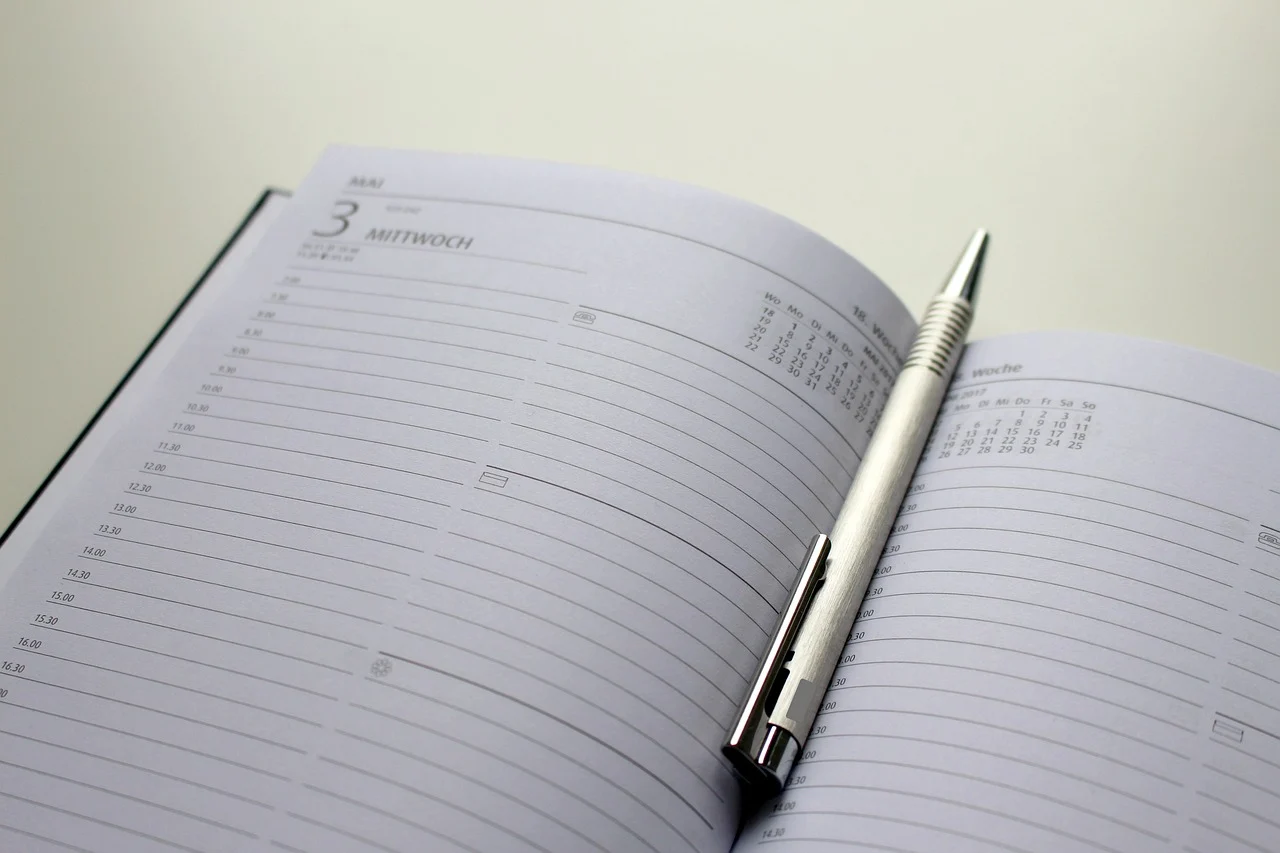
Short answer: A weekly review is a dedicated time each week to reflect on accomplishments, challenges, and adjustments. It helps you stay aligned with your goals, clear mental clutter, and plan next steps. Do it right by scheduling 30 minutes, reviewing your calendar and task list, celebrating wins, and setting priorities for the coming week.
Key takeaways
- A weekly review prevents you from drifting aimlessly through the week.
- Spend 30 minutes every Sunday or Friday reviewing and planning.
- Celebrate small wins to stay motivated.
- Reset your task list and calendar for the next week.
- Use the review to realign with your long-term goals.
- Consistency matters more than perfection.
What you will find here
- What Is a Weekly Review and Why Does It Matter?
- When Should You Do Your Weekly Review?
- How to Do a Weekly Review: A Step-by-Step Process
- What to Include in Your Weekly Review: A Handy List
- Weekly Review Template: The Quick Guide
- Common Mistakes That Sabotage Your Weekly Review
- How a Weekly Review Boosts Your Productivity and Growth
- How to Adapt Your Weekly Review When Life Gets Chaotic
- Using Your Weekly Review to Improve Your Weekly Rhythm
- Final Thoughts: Start Your Weekly Review Today
You plan your days. You check off tasks. But somehow the week slips by without a clear sense of direction. That’s where a weekly review comes in. It’s a short, deliberate pause to look back, learn, and adjust before diving into next week. Without it, you’re just reacting, not steering. Here’s why you need one and exactly how to do it.
What Is a Weekly Review and Why Does It Matter?
A weekly review is a fixed time—usually 30 to 60 minutes—where you step back from daily tasks to assess the past week and plan the next one. Think of it as a reset button. It stops you from repeating mistakes and helps you make progress on what truly matters.
Most people operate in “reaction mode.” Emails, meetings, urgent tasks—they pull you in every direction. A weekly review puts you back in control. It’s the moment you decide what deserves your attention, instead of letting others decide for you.
Without a review, you might work hard all week but feel like you got nowhere. With it, you ensure your effort goes toward your biggest goals. A solid morning routine sets the tone for each day, but a weekly review sets the tone for the whole week.

When Should You Do Your Weekly Review?
The best time is Friday afternoon or Sunday evening. Friday lets you end the work week with clarity and enjoy your weekend without mental clutter. Sunday helps you start Monday with a clear plan. Pick whatever fits your rhythm, but be consistent.
Block the time in your calendar. Treat it like an important meeting with yourself. No exceptions. After a few weeks, it will become a habit you won’t skip.
How to Do a Weekly Review: A Step-by-Step Process
Follow these six steps. They take about 30 minutes. Adjust the time as you get faster.
- Gather everything. Open your planner, task list, calendar, notes, and inbox. Get it all in one place.
- Review the past week. Look at your calendar. Go through each day. What tasks did you complete? What meetings happened? Did you spend time on your priorities?
- Capture loose ends. Write down tasks you didn’t finish, emails that need replies, and ideas you had. Collect them in a single list.
- Celebrate wins. Acknowledge what went well—even small successes. This keeps you motivated and trains your brain to look for progress, not just problems.
- Plan next week. Identify your top three priorities for the coming week. Block time for them on your calendar. Schedule any appointments or deadlines.
- Clear your inbox and workspace. Process your email to zero or near zero. Tidy your desk or digital files. A clean space leads to a clear mind.
That’s it. Simple, but powerful. For a shorter version, plan your day in 10 minutes using a similar approach.

What to Include in Your Weekly Review: A Handy List
Here’s a quick checklist of items to review:
- Calendar. What did you actually do vs. what you planned? Look for time leaks.
- Task list. What got done? What didn’t? Why didn’t it get done? Decide if those tasks still matter.
- Goals. How did this week’s work move you toward your quarterly and yearly goals?
- Energy. When did you feel most productive? When did you drag? Adjust your schedule accordingly.
- Learning. What went wrong, and what can you learn from it? What went right, and how can you repeat it?
This list keeps your review focused. Don’t try to review everything at once. Stick to these five areas.
Weekly Review Template: The Quick Guide
Use this simple template to guide your review. Write down your answers in a notebook or a digital document.
| Section | Questions to Answer | Time |
|---|---|---|
| Past Week Wins | What went well? What did I accomplish? | 5 min |
| Past Week Challenges | What didn’t go well? What can I improve? | 5 min |
| Inbox & Collected Items | What needs action? What can I delete or file? | 5 min |
| Next Week Priorities | What are the top 3 things I must get done? | 10 min |
| Calendar Blocking | When will I do those priorities? Any appointments? | 5 min |
Print this template or recreate it in your planner. The format doesn’t matter. What matters is doing it.
Common Mistakes That Sabotage Your Weekly Review
Even with the best intentions, people mess up their review. Avoid these pitfalls:
- Skipping it. The first time you miss a review, it’s easy to miss the next. Schedule it and treat it as non-negotiable.
- Making it too long. A review doesn’t need to be an hour. Start with 20 minutes and adjust. Overcomplicating it leads to burnout.
- Only looking at what went wrong. This kills motivation. Include wins, no matter how small. Balance critique with celebration.
- Not writing anything down. If you don’t capture your insights, you’ll forget them. Use a notebook, app, or the template above.
- Forgetting to check long-term goals. Your weekly tasks should tie to bigger goals. If they don’t, you’re busy but not productive.
Stay aware of these traps. The goal is progress, not perfection.

How a Weekly Review Boosts Your Productivity and Growth
When you do a weekly review consistently, you start each week with a clear head. You know what matters and what doesn’t. You stop repeating the same mistakes because you’ve reflected on them.
Over time, you’ll notice patterns. Maybe Tuesday mornings are your most focused time. Or your afternoons get hijacked by low-priority emails. With this awareness, you can design your schedule to protect your peak hours. Choosing between a digital and paper planner can help you decide the best tool for your review.
Beyond productivity, the review supports personal growth. It forces you to stop and think: Am I moving in the right direction? What’s holding me back? These questions are uncomfortable but essential. They turn planning into a tool for self-improvement, not just task management.
How to Adapt Your Weekly Review When Life Gets Chaotic
Some weeks are packed. You might be traveling, sick, or facing a crisis. In those cases, a full 30-minute review feels impossible. That’s okay. Scale it down to a 5-minute version. Just answer two questions: What’s the most important thing I need to accomplish next week? What’s one thing I learned this week? Even this minimal check keeps you grounded and prevents total drift. The key is to never skip entirely—something is always better than nothing.
Using Your Weekly Review to Improve Your Weekly Rhythm
Your review isn’t just about the past week—it’s a tool to refine how you work week after week. After a few reviews, start asking bigger questions: Is my schedule realistic? Do I have enough buffer time between tasks? Am I giving my best energy to the right things? Use your review to experiment. For example, if you always feel rushed on Wednesdays, try shifting a recurring meeting to Thursday. Check the results the next week. Small tweaks add up, and the review is where you spot and test them.
Final Thoughts: Start Your Weekly Review Today
The weekly review is the most underrated productivity habit. It takes little time, yet it gives you clarity, direction, and momentum. You don’t need a fancy system—just a block of time and the willingness to reflect honestly.
This week, schedule your first review. Use the steps above. After a month, it will feel automatic. You’ll wonder how you ever managed without it.
Frequently asked questions
How long should a weekly review take?
A weekly review should take 20 to 30 minutes once you get the hang of it. Beginners may need 45 minutes. Set a timer to keep yourself focused. If you consistently go longer, pare down the steps. The goal is consistency, not comprehensiveness.
What’s the best day for a weekly review?
Friday afternoon or Sunday evening are the most common choices. Friday lets you close the work week mentally and enjoy your weekend. Sunday helps you start Monday with a clear plan. Pick whichever works for your schedule and stick to it.
Do I need a special tool to do a weekly review?
No. You can use a paper planner, a notebook, a digital calendar, or a simple app. What matters is the process, not the tool. Many people use a combination: a planner for reflection and a digital task list for planning. Choose what’s most natural for you.
What if I miss a week?
Don’t worry. Just pick it up the next week. The key is to not let a missed week turn into a missed month. If you’re struggling to remember, set a recurring calendar reminder. Consistency builds over time. One skip doesn’t ruin the habit.
Can a weekly review help with work-life balance?
Yes. By reviewing how you spent your time, you can identify if work is crowding out rest, family, or hobbies. The weekly review gives you a chance to adjust your schedule so you allocate time for what matters beyond work. It’s a powerful check for balance.